
Sunrise on the Sangre de Cristo range
paints the peaks red as chile peppers,
brings fire to our windows to wake us,
remind us: today we plant maize.
Many days spent digging salt grass and rabbitbrush.
“Roots claim squatters’ rights,” Padre says.
We plant for winter’s empty table.
Fields filling with men and boys.
Old men watch wrapped in sarapes;
bones crying sorrows to morning chill.
Women in the plaza, happy hopeful talk.
Padre says they harvest tortillas
before corn is in the ground.
Madre says, “Tortillas on the fire
make sweet talk to the mouth.”
Morning dew on waiting rows. I plant beside Padre.
First the deep hole of the coa stick, then bury each seed
like Jesucristo to rise again in long green lines
mighty marching Hildalgos
bearing gifts wrapped in tight leaves, tops tied with silk.
Women bring lunch in baskets. All afternoon the sun
follows us on its journey west—our journey to rows’ end.
Only sombreros in the distance, like pumpkins blooming.
A field of men on their knees, bowing
as if in prayer, soil warm in their hands, each seed a hope.
The men sing now deep and strong, trembling my chest.
(They are like the tall cholla cactus
respect its sharp needles but sometimes be surprised:
it has unseen softness like the heart,
opening out a sweet blossom—color of wine.)
San Juan Mountains gather rays for setting sun
la puesta de sol. We reach the end of the long rows.
The men stand, nodding to one another, calling “Muy Buen,”
Some wave empty feed sacks. Many smiles on many faces.
We open the canals. Waters of Rio Conejos
dance down thirsty rows and across our hearts.
We walk home. Slow steps. Sunset pours down our path;
each tired back is wearing gold.
Photo Courtesy: Ash Wilson, Unsplash
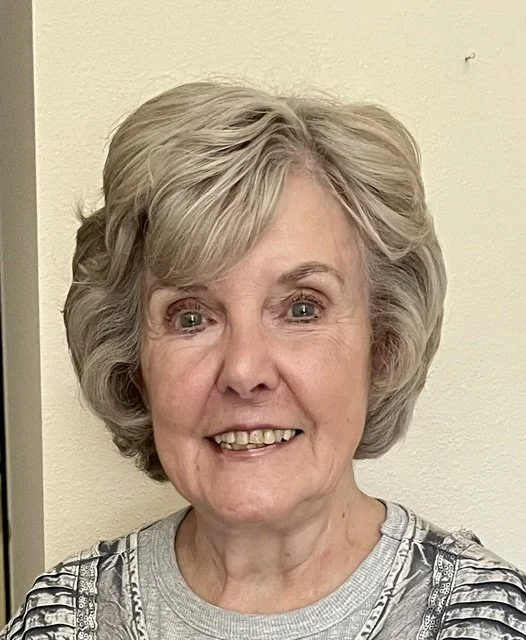
Janet Smith Post
Judge’s Comment:
”Plaza De Manzaneras: Colorado, 1850” places second for its lovely evocation of a full day's work planting a field while making a profound connection to nature. These are appealing and authentic characters whose appreciation of the land and each other comes through convincingly. The innocence and cyclic rhythms of earlier times are brought to life here, as the opening of the irrigation channels brings water to join sun and seed and human enterprise.
Poet’s Statement:
I attended highschool in the San Luis Valley, the setting of this poem. Also, I read a wonderful book by Olibama Lopez Tushar, The History of El Valle, a History of the Spanish Settlers in the San Luis Valley. This book filled my mind with images of those amazing people, and imagination gave birth to my fictional poem.